
Knife-spur gamefowl represents a specialized tradition of competitive avian sports where speed, agility, and blade precision define every encounter. While many spectators follow live tournament broadcasts on goal123, learning how handlers prepare and match these remarkable birds adds tremendous depth to the viewing experience. Understanding physical conformation, blade alignment, and ring protocols allows fans to appreciate the skill behind every fast-paced arena bout.
Core elements of knife-spur gamefowl competitions
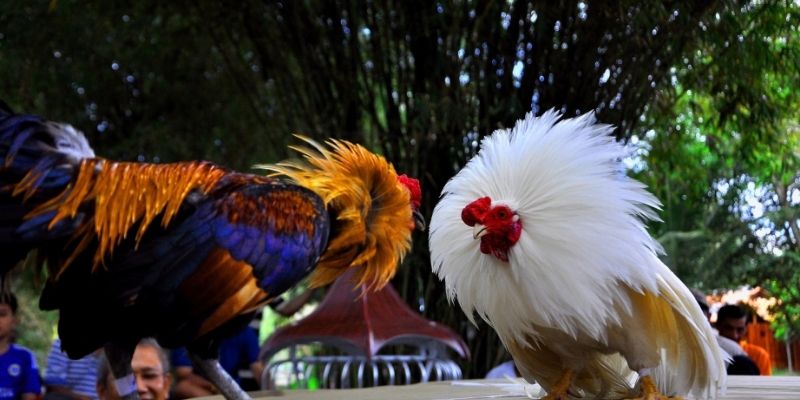
Visual showcase of trained competitors in knife-spur gamefowl
The distinct excitement surrounding these traditional contests comes from strict weight matching and razor-sharp steel fittings inspected prior to release. Arena officials oversee every preparation stage carefully to maintain balanced competition standards.
Blade fitting rules for knife-spur gamefowl
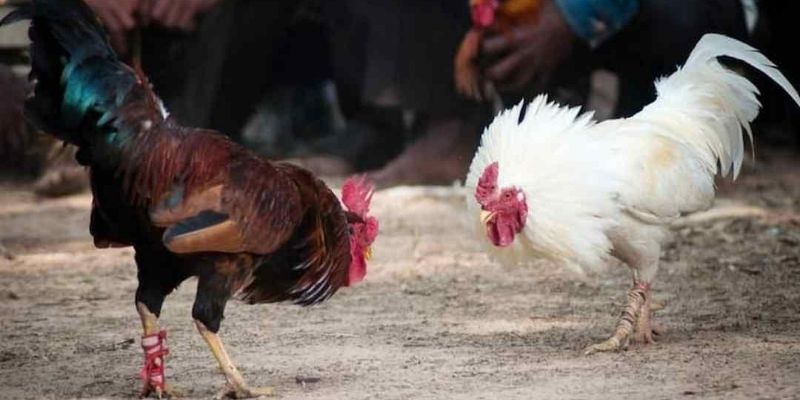
Handlers preparing knife-spur gamefowl attach curved steel blades tailored precisely to the natural spur position of each bird. Certified judges measure blade length, curvature angle, and binding tightness before the bout begins to guarantee fair compliance.
Soft cotton tape and waxed cord secure the steel base firmly around the ankle joint without restricting tendon movement. Balanced alignment ensures the competitor retains full leaping propulsion and accurate foot placement on the arena turf.
Nutrition and stamina building programs
Trainers conditioning knife-spur gamefowl follow disciplined feeding schedules rich in high-protein grains, fresh greens, and essential electrolytes. Controlled daily exercise routines build explosive wing power and cardiovascular endurance ahead of major tournament dates.
Morning sun exposure and herbal warm-water baths help tone skin elasticity and strengthen plumage resilience. Gradual tapering during the final days before competition allows muscle recovery so the athlete enters the pit at peak sharpness.
Arena etiquette and match officiating
Contests featuring knife-spur gamefowl move at rapid speed because single decisive strikes often determine the outcome within moments. Ring referees observe balance, visual alertness, and forward engagement closely to call prompt, unambiguous results.
Handlers follow strict release lines and remain outside the central circle once the opening signal sounds. Electronic clocks record bout durations accurately so spectators can track tournament pacing throughout the day.
Distinct bloodlines and tactical arena styles
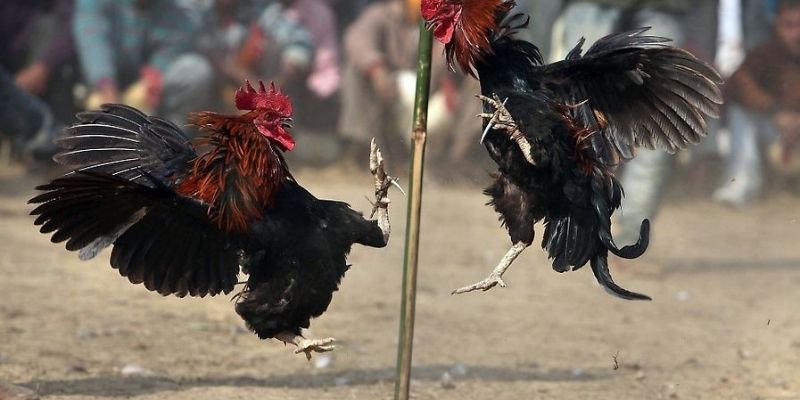
Diagram illustrating fighting postures and movement patterns of elite gamefowl
Different breeding lineages exhibit recognizable physical builds, aerial trajectories, and defensive counter-movements during live matches. Studying how contrasting bloodlines perform helps enthusiasts anticipate tactical dynamics before the birds leave the corner.
Aggressive aerial attackers
Fast-striking lines of knife-spur gamefowl launch immediate vertical leaps to strike downward before an opponent establishes footing. Their streamlined body frame and broad wing span generate rapid elevation bursts across the center of the pit.
Breeders value crisp wing recovery and decisive mid-air adjustment when selecting prospects from offensive bloodlines. Maintaining upper-angle pressure frequently forces slower rivals onto the defensive perimeter.
Evasive counter-punching specialists
Tactical bloodlines among knife-spur gamefowl rely on low head carriage and swift lateral sidesteps to evade initial lunges. Once an attacker lands off balance, these disciplined competitors pivot instantly to deliver accurate upward counters.
Strong thigh musculature and calm temperament allow them to conserve energy during opening feints. Patience and spatial awareness turn defensive positioning into sudden, decisive reversals.
Evaluating physical readiness before release
Experienced observers watching knife-spur gamefowl examine comb vibrancy, pupil focus, and leg scale condition during pre-match inspections. Bright crimson facial coloring and steady respiration indicate strong circulation and thorough physical preparation.
Firm claw grip against the turf and alert posture further confirm readiness as handlers step toward the center mark. Comparing these visible traits helps viewers recognize which competitor displays superior conditioning.
Practical steps to follow live arena tournaments responsibly
Step-by-step visual checklist for watching official tournament broadcasts
Enjoying live arena events smoothly requires selecting reliable streaming platforms and understanding match card classifications beforehand. Taking a few moments to check weight brackets and ring procedures enhances your appreciation of every scheduled bout.
Step 1: Open a trusted web browser and access the official broadcast schedule featuring knife-spur gamefowl tournaments.
Step 2: Review the daily match card to check weight divisions, breeder listings, and estimated ring release times.
Step 3: Watch the pre-match referee inspection carefully to observe physical posture, blade verification, and handler readiness.
Step 4: Select high-definition video playback so you can follow rapid aerial movements and tactical exchanges clearly.
Consolution
Knife-spur gamefowl blends generations of selective breeding, disciplined athletic conditioning, and split-second arena strategy into an unforgettable spectacle. Whenever you want to explore live tournament coverage and expert match insights, following chiến kê cựa dao promises a captivating and authentic viewing experience.