
Iron spur cockfighting delivers fast-paced avian contests where precision conditioning and sharp reflexes decide the outcome within minutes. While many enthusiasts explore match schedules through Betvisa, understanding traditional arena customs and weight divisions helps spectators appreciate every tactical exchange. Modern live broadcasts bring clear camera angles and structured match statistics directly to fans who follow regional tournaments closely.
Key characteristics of iron spur cockfighting
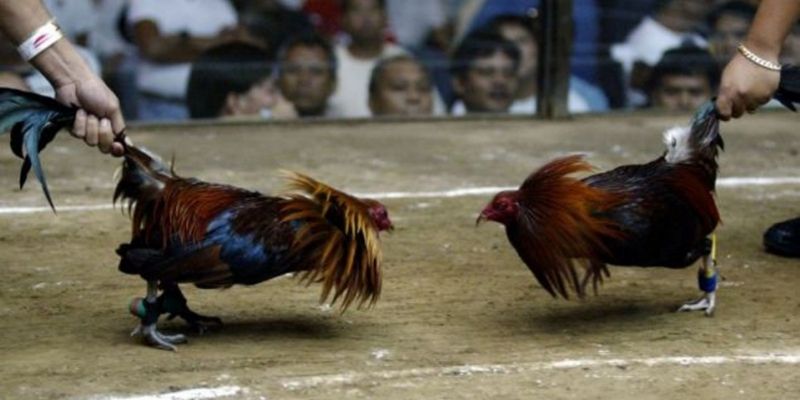
Visual showcase of trained roosters in iron spur cockfighting
The distinct appeal of traditional avian arenas stems from strict weight pairing and specialized equipment fitted prior to each bout. Certified referees inspect every competitor carefully before signaling the start of a contest to maintain balanced conditions.
Equipment standards in iron spur cockfighting
Competitors entering iron spur cockfighting wear carefully measured steel attachments secured evenly around the natural leg spur. Judges verify length limits and angle alignment before the opening bell so neither bird holds an unfair mechanical advantage.
Experienced handlers wrap protective tape around the lower leg joint to prevent slipping during rapid aerial clashes. Proper balance ensures the bird maintains natural agility and stable footing throughout high-intensity exchanges.
Conditioning and physical preparation
Trainers preparing roosters for iron spur cockfighting follow structured nutrition and stamina routines spanning several weeks before tournament day. Daily sparring drills build wing strength, neck flexibility, and defensive evasion reflexes without overexerting the athlete.
Clean herbal baths and controlled sun exposure keep feathers resilient and skin conditioned against minor scratches. Rest cycles during the final days allow muscle recovery so the competitor enters the pit at peak alertness.
Match duration and referee signals
Bouts inside iron spur cockfighting arenas often conclude rapidly because decisive strikes end the contest once a competitor cannot continue. Ring officials monitor posture, eye focus, and standing balance closely to call timely stoppages and protect animal welfare.
Clear hand gestures indicate when handlers may release their birds or retrieve them during brief inspection pauses. Electronic timers track round intervals accurately so spectators always know the exact pace of the fixture.
Tactical styles and bloodline traits in the arena
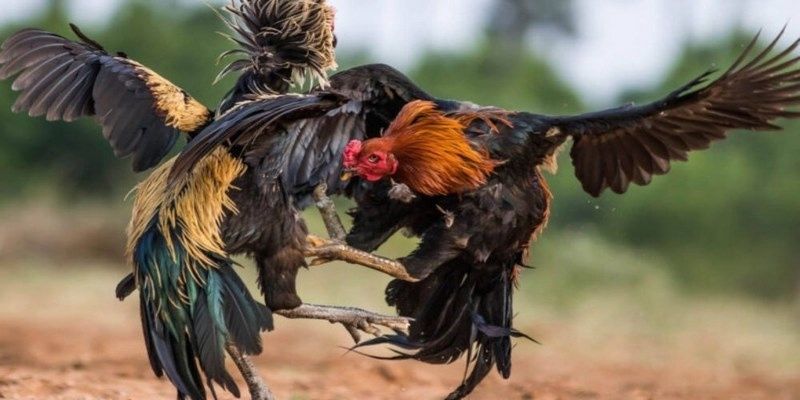
Diagram illustrating popular rooster fighting styles and arena tactics
Observing different avian lineages reveals distinct movement patterns, striking angles, and defensive counters during live broadcasts. Spectators who study physical conformation and past arena records gain deeper insight into how contrasting styles interact.
High-flying offensive strikers
Agile breeds competing in iron spur cockfighting rely on explosive vertical leaps to deliver downward strikes from above. Their lightweight bone structure and broad wingspan allow rapid elevation changes that pressure slower opponents immediately.
Handlers look for crisp wing beats and quick mid-air recovery when evaluating young prospects during practice sessions. Maintaining elevation control often forces defensive rivals onto the perimeter of the ring.
Ground-control and counter-striking specialists
Sturdy bloodlines in iron spur cockfighting stay low to the turf, absorbing initial charges before launching precise upward counters. Strong thigh muscles and compact neck carriage help these competitors pivot swiftly inside close quarters.
Patience defines their rhythm as they wait for an attacker to lose balance upon landing. Accurate timing turns defensive positioning into sudden, decisive reversals during tense exchanges.
Physical indicators of arena readiness
Seasoned observers watching iron spur cockfighting inspect comb color, eye brightness, and leg scale tightness during pre-match parades. Vibrant crimson tones and steady breathing rhythms typically signal strong cardiovascular conditioning and calm focus.
Alert head movements and firm claw grip against the arena floor further confirm readiness before release. Comparing these physical cues side by side helps viewers anticipate which competitor possesses superior stamina.
Practical steps to follow live arena broadcasts safely
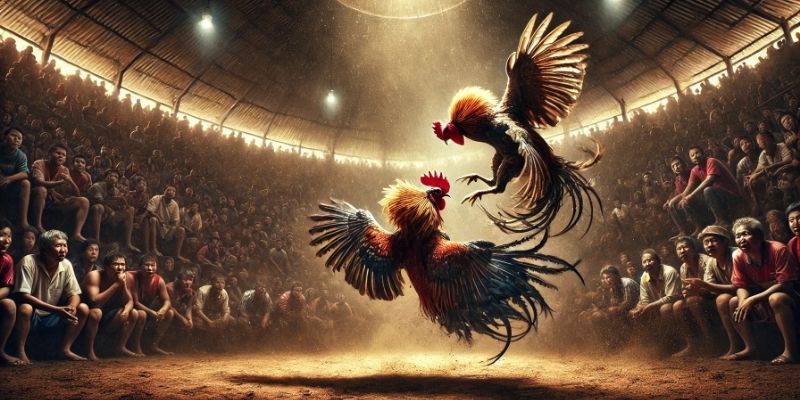
Step-by-step visual checklist for watching official tournament streams
Following live tournaments smoothly requires choosing verified streaming portals and understanding match card classifications beforehand. Taking a few moments to check broadcast schedules and ring rules enhances your viewing experience from the opening bout.
Step 1: Open a trusted web browser and access the official streaming schedule dedicated to iron spur cockfighting events.
Step 2: Review the daily match card to check weight divisions, handler listings, and estimated ring release times.
Step 3: Observe the pre-match inspection segment closely to note physical stance, feather condition, and referee verification checks.
Step 4: Adjust your video resolution settings for smooth playback so you can follow rapid aerial movements clearly.
Consolution
Iron spur cockfighting combines centuries of breeding heritage, disciplined physical conditioning, and thrilling split-second arena strategy. Whenever you want to follow live tournament broadcasts and detailed match analysis, exploring đá gà cựa sắt delivers an authentic and engaging viewing experience.