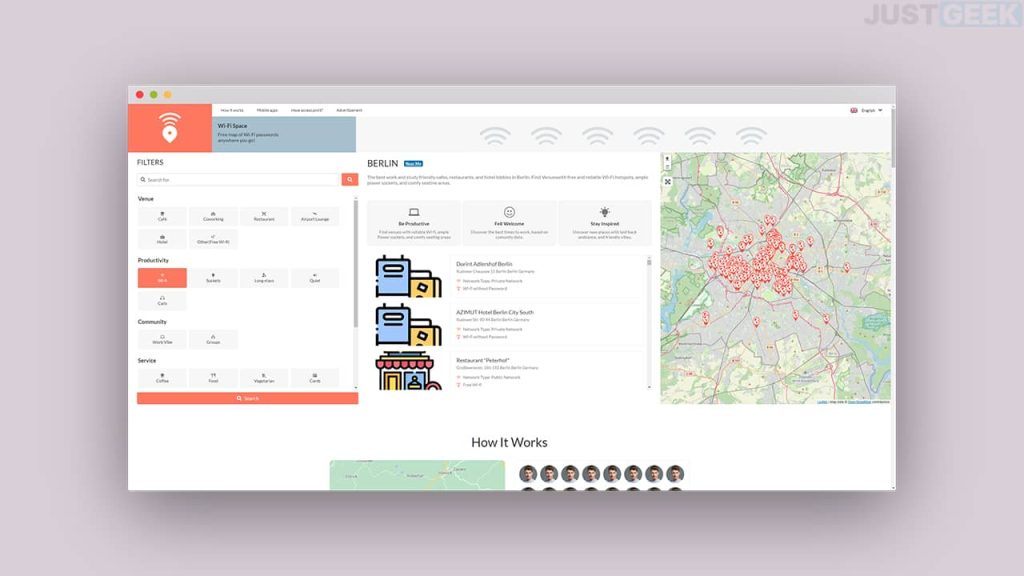

WiFiSPC is increasingly becoming a searched keyword among users who want to understand modern WiFi management, monitoring tools, and network optimization solutions. As internet connectivity becomes essential for both personal and professional use, tools like WiFiSPC are often explored for improving network performance, analyzing signal strength, and managing wireless environments more efficiently. However, one of the most common questions users ask is whether WiFiSPC is free or paid, and what exactly it offers in terms of functionality and pricing structure.
In the evolving digital landscape, users are no longer satisfied with basic internet access; they demand stability, speed insights, and diagnostic capabilities. WiFiSPC is often discussed in this context as a potential solution for WiFi analysis or system performance checks. This article provides a detailed, news-style informational breakdown of WiFiSPC, its possible pricing models, features, and practical relevance in today’s connectivity-driven world.
What is WiFiSPC and Why It Is Getting Attention
WiFiSPC is commonly understood as a WiFi-related system or software tool designed to assist users in analyzing or optimizing wireless network performance. While the exact definition can vary depending on implementation or version, it is generally associated with monitoring WiFi signals, detecting connectivity issues, and providing insights into network stability. As internet usage grows across homes, offices, and industrial setups, tools like WiFiSPC are becoming more relevant for troubleshooting and optimization tasks.
The growing attention toward WiFiSPC is largely driven by increasing demand for stable internet connections. With remote work, online education, and cloud-based services becoming standard, users need tools that help identify weak points in their networks. WiFiSPC is often mentioned in discussions about improving signal quality, reducing lag, and enhancing router performance. Although not always widely documented as a mainstream product, it is still part of a broader category of WiFi diagnostic utilities gaining popularity in tech communities.
Core Features of WiFiSPC in Network Management
WiFiSPC is typically described as a tool that helps users observe and understand their wireless network behavior. It may include features such as signal strength monitoring, channel analysis, and device connectivity tracking. These features allow users to see how different devices interact with the network and where performance issues might be occurring. In many cases, such tools are designed to simplify complex network data into understandable insights.
Another important aspect of WiFiSPC is its potential role in improving troubleshooting efficiency. Instead of manually checking router settings or guessing network issues, users can rely on structured data provided by the tool. This can help in identifying interference sources, overloaded channels, or weak coverage zones. Some versions or interpretations of WiFiSPC may also include real-time alerts or performance suggestions, making it useful for both beginners and advanced users managing multiple devices in a network.
Is WiFiSPC Free or Paid? Pricing Structure Explained
The most frequently asked question about WiFiSPC is whether it is free or paid. In general, tools in this category often follow a dual pricing model, offering both free basic features and paid premium upgrades. If WiFiSPC follows this standard structure, the free version would typically provide limited functionality such as basic scanning or signal detection, while advanced analytics and deeper network control would require a subscription or one-time payment.
Paid versions of WiFiSPC, if available, are usually designed for users who need professional-level network management. This may include detailed reporting, historical data tracking, multi-network support, or advanced optimization tools. In contrast, the free version is usually sufficient for casual users who only need simple WiFi diagnostics. However, pricing can vary depending on the platform, developer, or distribution model, meaning users should always verify the official source before assuming cost details.
How WiFiSPC Works in Real-World Usage
WiFiSPC works by collecting data from wireless networks and presenting it in a structured format that users can analyze. It typically scans nearby WiFi signals, measures their strength, and evaluates performance metrics such as latency or channel congestion. This data helps users understand how their network is performing in real time and what changes might improve connectivity.
In practical scenarios, WiFiSPC can be used in homes, offices, and even public network environments. For example, in a home setup, it may help identify why a specific room has weak WiFi coverage. In office environments, it can assist IT teams in balancing network load across multiple users. The tool’s ability to simplify technical data makes it useful for both technical and non-technical users who want better control over their internet experience.
Benefits of Using WiFiSPC for Users
One of the main benefits of WiFiSPC is improved network visibility. Instead of relying on guesswork, users can clearly see how their WiFi is performing and where issues are occurring. This makes troubleshooting faster and more accurate, especially in environments with multiple connected devices. Better visibility often leads to more stable internet performance overall.
Another key benefit is optimization support. WiFiSPC can help users identify the best router placement, least congested channels, and optimal settings for better connectivity. Over time, this can lead to reduced buffering, faster downloads, and smoother streaming experiences. Common advantages include:
- Better signal analysis and coverage mapping
- Faster identification of network problems
- Improved overall WiFi stability
These benefits make WiFiSPC a useful tool for anyone dealing with inconsistent internet performance or complex network setups.
Limitations and Challenges of WiFiSPC
Despite its usefulness, WiFiSPC may have certain limitations depending on its version or implementation. One common challenge is the complexity of interpreting network data for non-technical users. Even if the tool provides detailed insights, users without networking knowledge may find it difficult to apply those insights effectively.
Another limitation is potential compatibility issues. Some WiFi diagnostic tools may not support all devices, routers, or operating systems. Additionally, if WiFiSPC relies on advanced features, those may be locked behind a paywall, limiting the usefulness of the free version. In some cases, users might also experience restricted functionality in terms of real-time monitoring or historical data access, which can reduce its effectiveness for long-term network analysis.
Future Scope and Development of WiFiSPC Tools
The future of tools like WiFiSPC looks promising as demand for smart network management continues to rise. With increasing dependence on wireless connectivity, developers are focusing on more intelligent systems that can automatically detect and resolve network issues. WiFiSPC-type tools may evolve to include AI-driven optimization and predictive performance analysis in future updates.
As technology advances, integration with smart home systems, cloud platforms, and enterprise networks is also expected. This means WiFiSPC could become part of larger ecosystem tools that manage not just WiFi, but overall digital connectivity environments. The trend indicates a shift toward automation, where users will have less manual control but more efficient and self-adjusting networks that improve performance automatically.
Frequently Asked Questions
What is WiFiSPC used for?
WiFiSPC is used for monitoring and analyzing WiFi network performance and identifying connectivity issues.
Is WiFiSPC free or paid?
It may offer both free and paid versions depending on the developer or platform.
Can beginners use WiFiSPC easily?
Yes, but advanced features may require some technical understanding.
Does WiFiSPC improve internet speed?
It does not directly increase speed but helps optimize network settings for better performance.
Is WiFiSPC available for mobile devices?
Availability depends on the version, but many similar tools support mobile platforms.
What are the main features of WiFiSPC?
It typically includes signal analysis, network scanning, and performance monitoring.
Is WiFiSPC safe to use?
Yes, if downloaded from a trusted source, it is generally safe for network diagnostics.
Do I need technical knowledge to use WiFiSPC?
Basic use is simple, but advanced features may require networking knowledge.
Conclusion
WiFiSPC is gaining attention as a useful WiFi monitoring and diagnostic tool that helps users understand and improve their network performance. While the question of whether WiFiSPC is free or paid depends on its version and provider, it generally follows a mixed model offering both basic and advanced features. As digital connectivity continues to expand, tools like WiFiSPC are expected to play an important role in ensuring stable, efficient, and optimized internet experiences for users across different environments.